


Views: 0 Author: Site Editor Publish Time: 2025-10-18 Origin: Site


Have you ever wondered what controls the direction of a massive ship? It’s the steering system, a vital component in maritime navigation. The ability to change course and maneuver through tight spaces depends on its design and function. In this article, we will explore the different components of the steering system, focusing on the ship's steering wheel and its role. You will also learn about modern technologies like the bow thruster that enhance a ship’s maneuverability.
The "helm" refers to the entire area where a ship is steered, not just the wheel. This area houses the steering wheel and other essential controls for the ship’s operation, including the throttle and autopilot systems. The helm is responsible for guiding the ship and ensuring it follows its desired course. While the term "helm" is often used to refer to the steering wheel, it technically refers to the whole system that controls the ship. It includes not just the wheel, but also the various interconnected mechanisms that allow for precise steering. The helm is typically located near the stern of the ship and is often positioned on the starboard (right) side of the vessel.
The steering wheel, commonly referred to as the "ship's wheel" or "boat's wheel," is one of the most recognizable components of a ship's helm. It is the primary tool the captain uses to guide the ship’s course. The ship's wheel is often made of wood, metal, or composite materials, depending on the size and type of the vessel.While the wheel itself is crucial to the ship's steering, it is only one part of a more complex system. The wheel is connected to the rudder through a series of mechanical or electronic components. When the captain turns the wheel, it rotates the rudder, which alters the vessel's direction. This process is vital for maneuvering the ship, whether it's turning sharply or making slight adjustments to the course.
Ship steering systems have come a long way since their early designs. Initially, boats were steered using a rudder or a steering oar, which was much less efficient, especially on larger vessels. These methods were rudimentary and relied heavily on manual effort, limiting the ship's ability to navigate large bodies of water.In the early 18th century, the invention of the ship's wheel revolutionized navigation by offering better control over the vessel, particularly for larger ships. This innovation provided a more reliable and efficient way to change the ship’s direction with minimal effort. Over time, steering systems evolved with advancements in technology, moving from simple mechanical setups to more complex hydraulic and electronic systems that are commonly found on modern vessels.
While many people commonly refer to the steering wheel of a ship as the "helm," it is technically a misnomer. The "helm" encompasses the entire system that controls the ship, while the "ship's wheel" specifically refers to the circular device that the captain turns to steer the ship. The term "helm" is used more frequently due to its broader meaning, especially on smaller boats or yachts. However, larger vessels often use "ship's wheel" to distinguish the steering wheel from other equipment in the helm area. This distinction is important for clarity, especially when discussing the mechanical and technological advancements that have been made to ship steering systems.
The steering wheel of a ship or boat is also referred to by several other names, depending on the type of vessel or its historical context.
● Captain’s Wheel: Often used in historical or fictional references, such as pirate ships, where the captain's wheel is a symbol of leadership and control.
● Boat Wheel: Commonly used for smaller vessels like yachts or fishing boats. The term emphasizes the wheel’s role in guiding smaller, more maneuverable vessels.
● Nautical Wheel: A more general term for any ship’s wheel found on seafaring vessels, often used to denote the iconic wheel found on traditional ships.
Each of these names highlights the cultural significance and the specific function of the wheel in maritime navigation.
The ship’s steering wheel is connected to the rudder via a system of chains, ropes, or hydraulic systems. When the captain turns the wheel, it moves the rudder, which in turn shifts the direction of the ship. This is the basic principle behind ship navigation and steering. In older vessels, this connection was mechanical, often involving a tiller that moved the rudder when the wheel was turned. On modern ships, however, hydraulic or electronic systems are commonly used to operate the rudder with much less physical effort from the crew. This evolution allows for greater precision and smoother steering, especially in large vessels.
The steering system of a ship includes several key components: the steering wheel, rudder, tiller, and often an auxiliary power mechanism like hydraulics or electronics. These components work together to ensure precise control over the ship's direction. Modern ships may also incorporate automated systems like autopilot to maintain course, further reducing the physical effort required by the captain. Hydraulics and electronics, while more expensive, offer greater efficiency and ease of operation, especially for larger vessels where manual steering would be too strenuous.
In the past, ship steering wheels were often made of wood, showcasing craftsmanship and style. These wooden wheels were used on smaller vessels and became a symbol of maritime tradition. The large, ornate wooden steering wheels found on pirate ships are particularly iconic, helping sailors steer through treacherous waters. Wooden wheels were not only functional but also a part of the vessel’s aesthetic, showcasing the craftsmanship and pride of shipbuilders. These wheels, while beautiful, were quite heavy and required significant effort to operate, especially on larger ships.
Today’s ships use more advanced steering systems that are either electronic or hydraulic. These systems reduce the physical effort required from the captain and make steering much easier, particularly for large ships that can weigh thousands of tons. In modern vessels, steering wheels are often smaller and less ornate than in the past. However, the principle remains the same—the captain or crew uses the system to guide the vessel through various conditions. Joysticks or electronic controls are becoming more common, particularly for large cruise ships and cargo vessels.
Feature | Traditional Wooden Steering Wheel | Modern Ship Steering Systems |
Material | Wood (oak, teak, mahogany) | Metal, composite materials, or stainless steel |
Size | Large, often requiring multiple crew members to operate | Smaller, more compact for easier handling |
Mechanism | Manual, with rudder controlled by ropes or chains | Hydraulic, electronic, or joystick-controlled |
Efficiency | Less efficient, requiring more effort for large ships | Highly efficient, reduces physical strain |
Symbolism | Icon of maritime tradition | Technologically advanced, practical for modern ships |
Use Today | Common in classic ships, collector’s items | Predominantly used in modern vessels, cruise ships, and cargo ships |
A bow thruster is a powerful yet compact propulsion device that helps steer the ship sideways, particularly in tight spaces or harbors. Bow thrusters are often used in conjunction with the ship's steering wheel to provide better control when docking or undocking.Bow thrusters allow for enhanced maneuverability, especially in environments where turning the wheel alone might not be sufficient. They work by providing lateral thrust, which aids in moving the ship sideways, independent of the rudder. This makes docking and maneuvering in confined spaces much easier and safer.
Bow thrusters improve the overall efficiency of a ship’s navigation. They reduce the load on the steering wheel, enabling the captain or crew to maneuver the ship with less effort. This makes docking and navigating narrow channels much safer and easier.In addition, bow thrusters offer precise control in confined spaces, which is particularly helpful in busy ports or when docking with other vessels nearby. They allow for smoother, more controlled movement, reducing the risk of collisions.
The steering wheel on a ship is more than just a functional tool—it is a symbol of control and authority. Throughout maritime history, the wheel has represented the captain's mastery over the vessel and the seas. In many cultures, the ship's wheel is a symbol of leadership, guiding a ship through the unpredictability of the ocean.This symbolism extends beyond the maritime world. In leadership and personal development contexts, the wheel is often used as a metaphor for guiding one’s course through challenges and obstacles, symbolizing the importance of control in uncertain environments.
The ship’s wheel remains a revered symbol in modern maritime culture, even as modern ships rely on advanced technology for navigation. While traditional wooden wheels may no longer be as common, their legacy persists in the form of decorative features and in the terminology used by sailors.The wheel continues to be a symbol of authority and mastery, representing the captain's ability to control the ship’s journey, even in the face of modern technology.
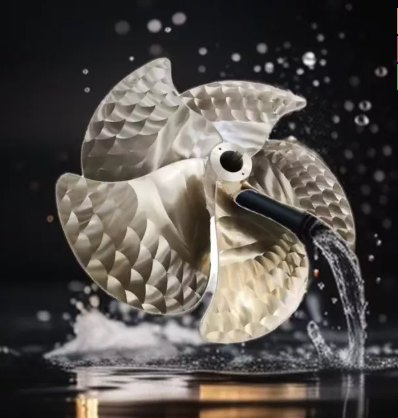
Understanding the ship’s steering wheel, its history, and components provides valuable insights into maritime navigation. The evolution from classic ship wheels to modern technologies, such as bow thrusters, has made navigation more efficient. Despite these advancements, the ship’s wheel remains a symbol of control and authority over the seas, preserving its place in maritime tradition.For those looking to enhance their vessel's navigation system, ZHENJIANG JINYE PROPELLER CO.,LTD. offers cutting-edge solutions with their advanced propellers and thrusters. These products provide exceptional value by improving maneuverability and overall ship performance.
A: The steering wheel of a ship is commonly called the "ship's wheel" or "boat's wheel." It is a key component of the "helm," the area where the ship is steered.
A: A bow thruster is a propulsion device used to help a ship maneuver sideways, especially in tight spaces or when docking. It complements the steering wheel by providing more precise control.
A: The term "helm" refers to the entire steering area, not just the wheel. It includes all controls used for navigating the ship, such as the steering wheel, throttle, and autopilot.
A: Bow thrusters enhance maneuverability, especially in confined spaces. They reduce the load on the steering wheel, making navigation smoother and safer, especially in busy ports.
A: Yes, modern ships often use smaller, more efficient steering wheels. Additionally, many ships now incorporate hydraulic or electronic systems, making navigation easier compared to older wooden wheels.


