


Views: 0 Author: Site Editor Publish Time: 2025-10-16 Origin: Site


Steering a personal watercraft (PWC) can be tricky, especially in tight spots or at high speeds. But did you know that having the right components, like a Pitch propeller, can significantly improve your steering control?
In this article, we will explore the essential factors that contribute to effective steering control on a PWC. You will learn how the jet propulsion system, throttle, handlebars, and Pitch propeller work together to enhance your performance and maneuverability on the water.
Steering control on a PWC relies on a jet propulsion system, which uses water drawn into the jet pump and expelled under pressure through a steering nozzle at the back of the craft. The direction in which the nozzle is aimed determines the movement of the PWC. A key aspect of this system is that the ability to steer depends on the engine’s power. Without sufficient engine power, steering is impossible, and the craft will continue in the direction it was moving before the throttle was released. Understanding this mechanism is essential for safe and optimal handling on the water.
The jet pump is the heart of the PWC's propulsion system. It draws water into the pump and forces it out through a steering nozzle. This expulsion of pressurized water provides forward motion and allows the rider to steer the craft by changing the direction of the nozzle. The efficiency of the jet pump and nozzle is directly linked to how well the PWC responds to steering inputs, especially during turns or high-speed maneuvers.
A Pitch propeller can impact the efficiency of the water thrust generated by the jet pump. By optimizing the angle of the propeller blades, it allows more water to be expelled with greater force, improving the overall performance of the propulsion system. This leads to smoother, more responsive steering, especially when making sharp turns or navigating in high-speed conditions. A high-quality Pitch propeller is designed to enhance the flow of water through the system, making your ride more precise and easier to control.
The throttle on a PWC controls its speed and, by extension, its steering responsiveness. The throttle opens the jet pump’s valve, allowing water to flow more quickly and propelling the PWC forward. The handlebars are used to direct the steering nozzle, and by turning the handlebars, the rider can change the direction of the water jet, which causes the PWC to turn. The smoother and more responsive the throttle control, the easier it is for riders to maintain control of the craft.
The performance of the throttle can be significantly enhanced by using a Pitch propeller. A well-calibrated Pitch propeller ensures smoother acceleration, helping the rider gain better control over the PWC during steering maneuvers. It helps the rider make quicker adjustments, providing greater confidence, especially when navigating through obstacles or changing directions quickly.
Maintaining proper weight distribution is key to ensuring that the PWC remains stable while steering. By shifting weight towards the turning direction, riders can help the craft respond more easily to steering inputs. This becomes especially important when making sharp turns or during high-speed maneuvers. The rider’s body position directly influences the balance and overall stability of the craft.
If you're looking to improve overall PWC performance, upgrading to a Pitch propeller can increase thrust efficiency, helping to maintain control even during sharp turns or evasive actions. The propeller’s ability to optimize water flow and enhance thrust allows the rider to make adjustments in their weight distribution with more effective results, ensuring smoother navigation through challenging situations.
When the rider turns the handlebars, the jet of water directed by the nozzle changes direction, which moves the PWC in the desired direction. The speed at which the water is expelled and the precision with which the nozzle directs the flow are essential for maintaining control of the craft. The smoother the water flow and the more precise the steering nozzle adjustments, the more control the rider will have over the craft.
A Pitch propeller plays a vital role in maximizing thrust efficiency. By optimizing the angle of the blades, the Pitch propeller ensures that the water jet is more focused and powerful, leading to a more responsive and precise steering experience. Whether you're making tight turns, accelerating through open water, or navigating in rough conditions, a well-calibrated Pitch propeller ensures smoother handling, improving control and stability during any maneuver.
At lower speeds, the PWC is highly maneuverable, making it easier to perform sharp turns and adjust direction quickly. However, as the speed increases, steering becomes less sensitive, and the rider may have to exert more force on the handlebars to make the craft respond to steering inputs.
If you’re struggling to maintain control at higher speeds, a Pitch propeller can optimize water flow, improving the responsiveness of the PWC. The pitch of the propeller plays a key role in maximizing thrust, ensuring that the craft remains stable and that steering input is more effective. By enhancing thrust at higher speeds, the Pitch propeller ensures that riders experience smoother and more stable handling, even in challenging conditions or when navigating through rough waters.
In emergency situations, the instinct may be to release the throttle, but this can result in a total loss of steering control. Without the engine's power, the jet propulsion system ceases to operate, and the PWC will continue on its current path. Instead of releasing the throttle, it's better to maintain some throttle engaged to steer around obstacles, providing enough thrust to maintain control.
With a well-chosen Pitch propeller, the ability to maintain steady thrust even at low throttle levels is enhanced. This allows riders to steer the PWC even when reducing speed, making it easier to avoid obstacles or steer around hazards. Whether you're faced with a sudden obstacle or need to quickly adjust your course, the Pitch propeller helps maintain thrust, ensuring you retain control.
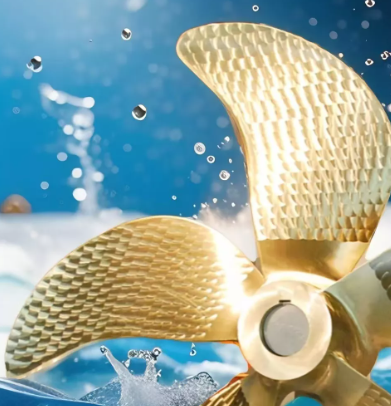
The PWC's steering relies on the efficient operation of the jet drive system. Water is drawn into the pump and expelled under pressure through the nozzle. This creates thrust and allows the rider to steer the craft by manipulating the steering nozzle.
A Pitch propeller ensures that the jet pump operates efficiently by fine-tuning the propulsion system. When the pitch is optimized, the water flow becomes more consistent, improving steering responsiveness and ensuring smoother turns. A well-maintained Pitch propeller can help maintain optimal performance, especially when faced with challenging conditions or when the rider requires quick adjustments to steer.
The steering cable connects the handlebars to the steering nozzle, allowing the rider to control the direction of the water jet. Over time, this cable can wear down, leading to reduced steering performance. Regular maintenance, such as lubrication and tension adjustments, is necessary to keep the system functioning properly.
By using a high-quality Pitch propeller, you reduce strain on the entire propulsion system, including the steering cable. A well-calibrated propeller helps ensure that the water flow is optimized, reducing the likelihood of excessive wear on the steering components. Regular maintenance of both the propeller and steering cable ensures a smooth and efficient steering experience.
The rudder and nozzle system plays a critical role in steering the PWC. By adjusting the nozzle’s direction, the rider can control the craft’s movement. The rudder helps direct the water flow and is connected to the steering nozzle, enabling precise changes in direction.
A well-calibrated Pitch propeller contributes to better control by improving thrust efficiency. With the propeller generating the right amount of thrust, the nozzle system can direct the water more precisely, allowing for smoother, more responsive steering. This minimizes the effort required from the rider, especially in high-speed or challenging situations.
Waves, currents, and weather can all affect the PWC’s ability to steer. Riders must be able to adjust to changing water conditions in order to maintain control.A Pitch propeller can optimize the PWC's performance in varying water conditions. By providing consistent thrust, the propeller ensures that the PWC remains responsive even in rough waters, helping you maintain control and avoid potential hazards.
Wind, other boats, and debris in the water can all create obstacles that require quick adjustments to steering.A high-performance Pitch propeller allows the PWC to maintain consistent thrust, even in windy or obstructed conditions. This enables smoother, more controlled steering when navigating through challenging environments, ensuring that you stay on course and avoid obstacles.
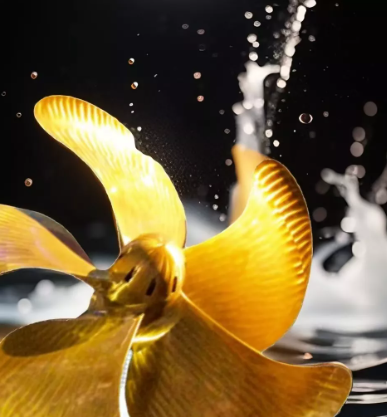
Releasing the throttle while operating a PWC can result in losing all steering control, as the propulsion system needs power to direct the jet stream. Without engine power, the PWC will continue in the direction it was moving before the throttle was released.A Pitch propeller ensures that water is efficiently directed, even at lower throttle levels. This helps improve control, especially in emergencies or when slowing down. A propeller with optimized pitch can provide enough thrust to maintain directional control, even when the rider needs to decelerate quickly.
Mechanical issues like a damaged steering cable or nozzle can cause loss of steering control. It's important to regularly inspect and maintain these components to avoid failures.
Using the correct Pitch propeller reduces strain on the propulsion system, preventing unnecessary wear on components like the steering cable and nozzle. Regular maintenance ensures that your PWC remains in safe working order, reducing the risk of steering failures.
Oversteering or understeering can lead to a loss of balance and control. Riders should be aware of the potential consequences of overcorrecting or making sudden steering movements.A well-tuned Pitch propeller ensures that water flow is optimized, making it easier for riders to correct mistakes. By providing smoother thrust, the propeller helps achieve more precise and stable turns, even if the rider makes slight errors in steering.
Regular maintenance is crucial to keeping your PWC’s steering system in optimal condition. This includes checking the steering cable, handlebars, and jet pump for wear and tear. Proper maintenance ensures that the system operates smoothly and safely.Ensure that your Pitch propeller is regularly inspected and maintained. A properly maintained propeller will contribute to the efficient functioning of the entire jet propulsion system, ensuring safe and reliable steering. Regular checks and adjustments help extend the lifespan of both the propeller and the steering components.
Most PWCs come equipped with a safety lanyard, which cuts off power to the engine if the rider is ejected from the craft.By ensuring that your Pitch propeller is in good condition, you minimize the risk of mechanical failure, contributing to a safer riding experience. With the propeller operating efficiently, you are less likely to encounter control issues, especially in high-speed scenarios or when navigating through challenging conditions.
Steering control on a PWC relies on key components like the jet pump, handlebars, throttle, and Pitch propeller. A high-quality Pitch propeller can significantly enhance PWC performance and handling. It optimizes water flow, improves thrust efficiency, and ensures smoother, more responsive steering. For better control, especially during high-speed maneuvers, consider upgrading your PWC with a Pitch propeller. This upgrade offers a safer, more enjoyable ride on the water, with significant improvements in both stability and performance.ZHENJIANG JINYE PROPELLER CO.,LTD. provides high-quality Pitch propellers designed to improve the overall performance and handling of your PWC. Their products ensure optimal water flow, thrust efficiency, and smooth, responsive steering.
A: Steering control on a PWC involves directing the jet of water expelled from the jet pump using the handlebars. The engine power is necessary for maneuverability.
A: A Pitch propeller optimizes water flow through the jet pump, enhancing thrust efficiency, making steering smoother and more responsive, especially at high speeds.
A: Releasing the throttle or turning off the engine causes a loss of steering control, as the jet propulsion system requires engine power to steer.


