


Have you ever wondered how ships navigate tight spaces with ease? The secret lies in a vital component: the bow thruster. This powerful propulsion system allows vessels to move sideways, making docking and maneuvering in crowded ports much safer and more efficient.In this article, we will explore what a **bow thruster** is, how it works, and why it is essential for modern maritime operations. You’ll learn about the types of bow thrusters, their installation, maintenance, and the significant advantages they bring to vessel operations.
A bow thruster is a powerful yet compact propulsion system installed at the front (bow) of a ship or boat, primarily used for lateral movement. Unlike the main engine, which propels the vessel forward or backward, a bow thruster provides side-to-side thrust, helping the vessel maneuver in tight spaces. This makes docking, undocking, and navigating narrow waterways much easier and safer. By providing lateral thrust, the bow thruster allows the ship to move sideways, which is a crucial feature in environments where forward movement is difficult or impossible due to space constraints, obstacles, or traffic.
For sailors, maritime professionals, and boat enthusiasts, understanding the role of a bow thruster is crucial. In modern ship design, especially for large vessels and yachts, the bow thruster is an essential tool. It significantly improves maneuverability in harbors, making it easier to navigate in challenging conditions. By understanding how the system works, operators can ensure better safety and efficiency during docking and navigation. Additionally, knowing how to use and maintain a bow thruster correctly can lead to longer lifespans for the equipment and fewer costly repairs, ensuring that operations run smoothly even in demanding situations.
A bow thruster generates lateral thrust, meaning it pushes the ship sideways without affecting its forward motion. This is especially useful when docking or maneuvering in confined areas. The system operates via either an electric or hydraulic motor, which powers a propeller or water jet installed within a tunnel that runs through the bow. This thrust can move the vessel sideways to the left or right, providing control when other systems can’t. The key advantage of a bow thruster lies in its ability to make these lateral movements without needing to rely on the ship’s main engines, which are designed primarily for forward and backward movement.
One of the key advantages of bow thrusters is their ability to enhance a ship’s maneuverability at low speeds, making it much easier to dock or undock. In busy harbors or narrow canals, where the vessel needs to make tight turns or shift sideways, a bow thruster becomes indispensable. This allows for precise control, reducing the likelihood of accidents or damage to the ship or surrounding infrastructure. Moreover, bow thrusters are highly effective in rough weather or challenging currents, providing enhanced stability and control when docking or moving in tight spaces.
Bow thrusters operate through a simple yet effective mechanism. The system typically includes a motor that drives either a propeller or water jet. The motor is housed within a tunnel located in the bow of the vessel, which directs the thrust sideways. The power generated is directed across the hull, and by applying this force to one side of the ship, it moves laterally without needing to change the ship’s forward motion. The efficiency of the bow thruster depends on factors such as the motor size, propeller design, and tunnel positioning. The positioning of the tunnel is critical in ensuring optimal thrust and minimizing drag, as a poorly positioned thruster may reduce the system's effectiveness.
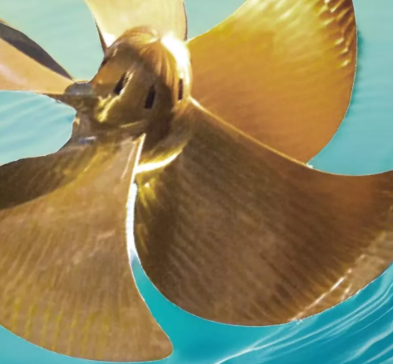
Tunnel thrusters are the most common type of bow thruster. These thrusters are installed within a tunnel that runs through the hull at the bow. Water is drawn in from one side of the vessel and expelled from the other, generating the necessary lateral force. The primary benefit of tunnel thrusters is their simplicity and reliability, making them suitable for most vessels. However, their efficiency can be influenced by the size and placement of the tunnel. Larger tunnels tend to provide better efficiency, but they may increase drag and reduce overall fuel economy.
Retractable bow thrusters are another type, which can be deployed when needed and retracted when not in use. This design helps reduce drag and improve fuel efficiency when the thruster is not in operation. Retractable thrusters are ideal for vessels that require high-speed performance, such as racing yachts, or for those that want to minimize resistance while cruising. When deployed, the thruster provides the same lateral thrust as a tunnel thruster, but when retracted, it minimizes drag and resistance, leading to better fuel efficiency and higher speed.
There are two main mechanisms for bow thrusters: water jets and propeller-based systems. Water jets tend to be quieter and require less maintenance, as they have fewer moving parts. However, they may not offer the same thrust capacity as propeller-based systems, which are more powerful but can generate more noise. Propeller-based thrusters are generally more effective in larger vessels or those needing high thrust capacity for heavy-duty tasks. Choosing between the two depends on the vessel's size, speed requirements, and operational conditions, such as whether noise reduction or thrust capacity is the priority.
| Feature | Tunnel Thrusters | Retractable Thrusters | Water Jets | Propeller-Based Thrusters |
|---|---|---|---|---|
| Installation Type | Fixed, installed within the hull tunnel | Deployable and retractable | Integrated into hull, no tunnel required | Fixed, often in tunnel or open |
| Efficiency | High, but can cause drag | Lower drag, higher speed | Quieter, but less thrust power | High thrust capacity |
| Noise Level | Moderate noise due to fixed motor | Quieter when retracted | Generally quiet | Loud, especially at high thrust |
| Maintenance Requirements | Moderate, regular checks needed | Lower maintenance, as retracted during cruising | Low maintenance, fewer moving parts | Higher maintenance, more moving parts |
| Best Use Case | Standard vessels, high maneuverability | High-speed vessels, luxury yachts | Quiet operations, smaller vessels | Larger vessels, heavy-duty tasks |
The installation of a bow thruster requires careful consideration of the vessel’s design. The thruster is typically installed in a tunnel that runs through the bow, aligned to allow optimal water flow and thrust efficiency. Factors such as the size of the ship, the type of propulsion system, and available space within the hull determine the positioning of the thruster. Installation is generally performed during the ship’s construction or major refurbishments. The process involves selecting a suitable motor and tunnel system, and placing the thruster in a location that maximizes its effectiveness while minimizing drag.
To ensure the bow thruster operates at peak performance, routine maintenance is essential. This includes checking the bearings for wear and tear, inspecting the motor for corrosion or damage, and ensuring the tunnel remains free from blockages or debris. Hydraulic systems must also be regularly inspected for leaks or fluid contamination. Regular checks help prevent failures and extend the lifespan of the thruster. It’s also important to ensure that the motor is well-lubricated and free from moisture, as saltwater exposure can lead to rust and corrosion.
Common issues with bow thrusters include motor faults, hydraulic leaks, or propeller damage. Over time, wear and tear can cause the thruster to lose efficiency, especially if it operates in saltwater conditions. Proper maintenance practices, such as cleaning the motor grid and checking the hydraulic fluid, can help avoid these issues. Additionally, addressing signs of malfunction early on can save costly repairs later. For example, if the thruster begins making unusual noises or loses power, it’s important to check for potential blockages, damaged components, or issues with the hydraulic system.
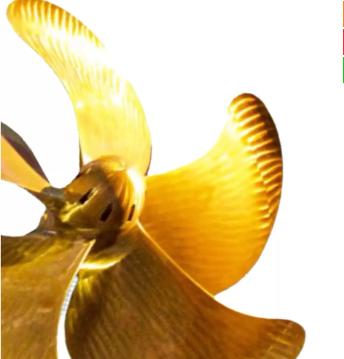
While bow thrusters are designed to provide lateral thrust at the front of the vessel, stern thrusters serve the same purpose at the rear. Both systems enhance maneuverability, especially in tight spaces, but stern thrusters help with reversing and rotating the vessel in a specific direction. The integration of both bow and stern thrusters provides greater control, allowing the vessel to pivot or move sideways in all directions, which is particularly useful when maneuvering in narrow spaces. Together, these systems provide comprehensive control over the vessel's position, making it easier to dock or navigate confined areas.
Bow thrusters reduce the need for tugboats in many situations, such as when docking or navigating crowded harbors. Tugboats are traditionally used to tow or push large vessels into position, but with a bow thruster, the need for additional tug assistance is minimized. This not only reduces operating costs but also increases efficiency, as the ship can maneuver independently without waiting for tugboats to arrive. In some cases, the use of bow thrusters even eliminates the need for multiple tugboats during port operations, saving both time and money.
Larger vessels, particularly those over 25 feet, can be challenging to maneuver without bow thrusters. These ships often require precise lateral movements when docking or navigating narrow channels. With their larger size, they also face more resistance in confined spaces, making the use of bow thrusters even more essential. On larger ships, bow thrusters provide the extra maneuverability needed to safely operate in busy ports and during adverse weather conditions. The enhanced control provided by bow thrusters makes docking and undocking easier and safer.
The primary advantages of bow thrusters include improved control and safety when docking, as well as reduced reliance on tugboats. For vessels operating in rough weather or congested harbors, bow thrusters allow for more precise and responsive navigation. Additionally, they reduce the amount of time spent at port, which leads to operational cost savings. Ships can also avoid collisions and damage by maintaining better control in tight spaces. By reducing the need for tugboats, bow thrusters help streamline port operations and cut down on external assistance costs.
The future of bow thruster technology is focused on improving efficiency and reducing environmental impact. New designs include more energy-efficient systems and smarter thrusters that integrate with advanced navigation systems. These innovations allow for more precise control, reduced fuel consumption, and quieter operations. Some designs also focus on reducing the physical size of thrusters while maintaining their effectiveness, which benefits space-constrained vessels. As technology progresses, the use of bow thrusters will continue to evolve to meet the demands of modern shipping.
One of the most exciting developments in bow thruster technology is the integration of systems like Dock & Go, where the thruster works alongside the main propeller to improve maneuverability. These systems allow for easier docking, even in high-traffic areas, and reduce the need for manual steering. As maritime technology continues to evolve, we can expect even more advanced systems that offer improved performance and environmental sustainability. Bow thrusters will likely play an integral role in autonomous ships, further enhancing their operational capabilities.
Bow thrusters are a vital component in modern maritime navigation. They offer improved maneuverability and safety for vessels, particularly when docking or navigating tight spaces.
ZHENJIANG JINYE PROPELLER CO., LTD.offers high-quality bow thruster solutions. Their products are designed to provide enhanced maneuverability and efficiency, making them an excellent choice for maritime operations. Through their innovative designs and reliable service, ZHENJIANG JINYE PROPELLER CO., LTD. continues to support the maritime industry with cutting-edge technology.
A: A bow thruster is a propulsion system installed at the front of a vessel that provides lateral thrust. It helps the ship move sideways, improving maneuverability in tight spaces.
A: A bow thruster operates by using a motor to power a propeller or water jet within a tunnel at the bow. This generates lateral thrust, allowing the vessel to move sideways without forward motion.
A: Bow thrusters are essential for maneuvering vessels in confined spaces, such as harbors or narrow channels, by providing precise control when docking or undocking.
A: The main advantages of a bow thruster include better control in tight spaces, improved docking safety, and reduced reliance on tugboats, leading to cost savings.
A: The cost of a bow thruster varies depending on factors like vessel size and thruster type. It’s best to consult with a supplier to get accurate pricing for specific needs.
A: Bow thrusters can be installed on most vessels, especially larger ones, to improve maneuverability. The installation depends on the vessel's size, hull design, and propulsion system.


